
Ambelique and Make Me Weak: A Life in Reggae

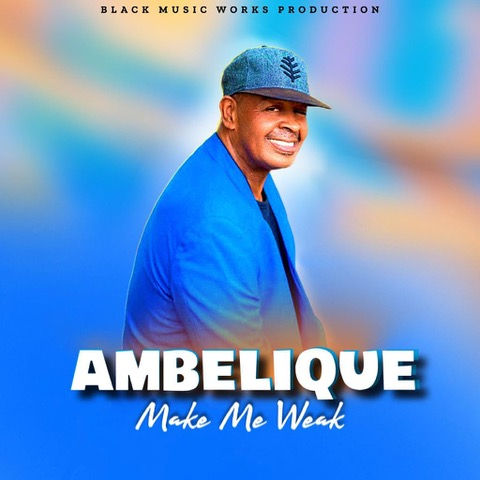
The meaning of a song like Make Me Weak can only be understood within the context of the artist who sings it. For Ambelique, born Owen George Sylvera in the Waltham Park district of Kingston, Jamaica, music has been a calling since childhood. His stage name — derived from the Swahili phrase meaning “God call me” — reflects both the spiritual dimension and the depth of expression in his work. As a singer’s singer, Ambelique’s long career has bridged reggae, lovers rock, R&B influences, and cultural storytelling through song.
Make Me Weak, as heard through the Black Music Works player, is part of a catalogue that continues to reveal Ambelique’s emotive vocal power and heartfelt lyrics. Hosted on the official platform — which supports reggae and roots artists by giving them a consistent platform — the song is one of the latest additions to his expansive body of work. Before exploring its emotional terrain, it’s worth tracing how Ambelique came to shape the sound that makes listeners sit up and listen.
From Kingston to International Stages
Ambelique’s earliest musical roots grew in Kingston’s vibrant neighbourhoods, where he first began singing with boys like Roman Stewart, Tinga Stewart, and Dennis Brown while still in primary school and church vespers. That early exposure to harmony, melody and performance would remain with him through the decades. Eventually he was discovered by legendary producer and performer Derrick Harriott, with whom he recorded his first, unreleased tracks. Soon after, his family migrated to New York, where Ambelique took a step back from recording and continued his musical growth with bands from New York to Los Angeles over a ten-year period.
His return to recording was catalyzed by Jamaican producer and engineer Karl Pitterson, who encouraged him back into the studio. Ambelique would later self-impose another hiatus before returning to Jamaica to record for Colin ‘Bulby’ York’s Fat Eyes label, continuing the path toward a mature, expressive voice.
The Sly & Robbie Transformation
A turning point arrived in 1995 when Ambelique began working with legendary reggae producers Sly Dunbar and Robbie Shakespeare, widely regarded as one of the most influential rhythm sections in music history. With them he recorded his debut album Ambelique Sings the Classics, a unique project where Latin standards, R&B favourites and pop gems were reinterpreted through a reggae lens. Sly & Robbie coined the style La Trengae — a blend of roots reggae with Latin rhythm.
The album produced the hit single Cuando, Cuando, and Robbie in particular pushed Ambelique to refine his vocals for reggae music. As Ambelique has explained, his earlier singing influences were as much Sam Cooke and Marvin Gaye as they were reggae greats like Ken Boothe, Tyrone Taylor, John Holt and The Melodians. Sly & Robbie’s production taught him how to integrate his R&B-trained vocal style into reggae’s rhythmic and cultural language — a fusion that made his voice both unique and deeply expressive.
In addition to his own recordings, some of Ambelique’s work with Sly & Robbie appeared on major compilations such as Strictly the Best and Reggae Gold for VP Records — collections that historically showcase the best in reggae and dancehall.
Hits and Influences
Throughout his career Ambelique released several charting singles and albums that helped establish him as a respected presence in reggae and lovers rock circles. Some of his best-known songs include “New Sheriff in Town”, “One Last Cry”, “Love Doctor”, “Bluer than Blue”, “Back Stabber” and “Share My Love”. Albums like Special Attention, Ambelique Sings the Classics, Shower Me and Missing You reflected his range — from soothing lovers rock to roots-part soul and story-driven music.
He also enjoyed success with soulful originals like God Bless the Children (produced by Clive Hunt) and Lonely Soldier (produced by Colin ‘Bulby’ York). His reggae cover of Satisfaction by the Rolling Stones, featuring Keith Richards on guitar, appeared on the Grammy-winning compilation Sly and Robbie and Friends. The Riddim Twins’ Work of Man remains another fan favourite, showing Ambelique’s versatility in both composition and performance.
The Meaning of Make Me Weak
Ambelique’s music has always moved between heartfelt romance, spiritual reflection, and cultural commentary. Though Make Me Weak itself does not yet have widespread press coverage, its title and placement within his oeuvre suggest a song that wrestles with emotional vulnerability and the power of love or desire to unsettle and humble even the strongest heart. In reggae and lovers rock traditions, songs about surrendering to love — even when it destabilizes you — are common themes. Given Ambelique’s lifelong commitment to expressive storytelling through song, Make Me Weak can be understood as an exploration of how deep affection and human connection can both strengthen and soften a person.
Ambelique’s devotion to music that speaks to the heart reflects his own journey — from singing in church, to interpreting beloved classics, to composing originals that resonate with soul and experience. His voice carries a lifetime of musical influences, allowing listeners to feel both the tenderness and the gravity of a song like Make Me Weak.
Production and Artistic Collaboration
Make Me Weak comes to listeners via Black Music Works, a label and platform dedicated to nurturing roots and reggae music by giving artists a space to share their latest work. Black Music Works’ involvement puts Ambelique’s song in a global context where fans of reggae, lovers rock and soulful expression can discover and revisit his music.
While the name Winston Blake has appeared over the years in various reggae production and cultural contexts, there is no openly accessible public documentation tying him directly to this particular track’s production credit at this time. Therefore this article focuses on the confirmed connection with Black Music Works. As further details become publicly available through official credits or industry releases, they can be integrated into future writings about Ambelique’s work.
Legacy and Continuing Influence
Ambelique’s career spans decades, cultures and musical dialogues. He has worked in Jamaica, the United States, the United Kingdom and across Europe. He has a deep repertoire that traverses lovers rock, roots music, soul-influenced reggae and culturally reflective anthems. His continuing presence on platforms like Black Music Works underscores a broader commitment to keeping reggae’s emotive voice alive in the modern era.
Make Me Weak stands not just as another song, but as a reminder that Ambelique remains an artist capable of blending musical tradition, personal authenticity and emotional resonance — qualities that have defined his work since the beginning and continue to shape his legacy today.


Comments